Best AI Recorders for Real Estate Agents (2026): Showings to Signings
Real estate runs on two capture moments — the walkthrough and the phone call — and the right recorder covers both. Our picks by agent workflow, the three-year cost math, and the consent rules that come before any hardware decision.
On this page
The short answer
Walking a property and closing on the phone need different tools
Verdict: for most agents one device covers both jobs: the PLAUD Note ($129–$159 street) records showings on-device and captures phone calls via its MagSafe case — the two moments a real estate business actually runs on. Agents who live at open houses should weigh the PLAUD NotePin wearable (hands-free, 20-hr); teams standardizing on CRM workflows should look at the TicNote’s free-minute lane. Record with consent — state laws vary, and brokerage policy binds you regardless.
Check PLAUD Note price on AmazonPaid link · As an Amazon Associate we earn from qualifying purchases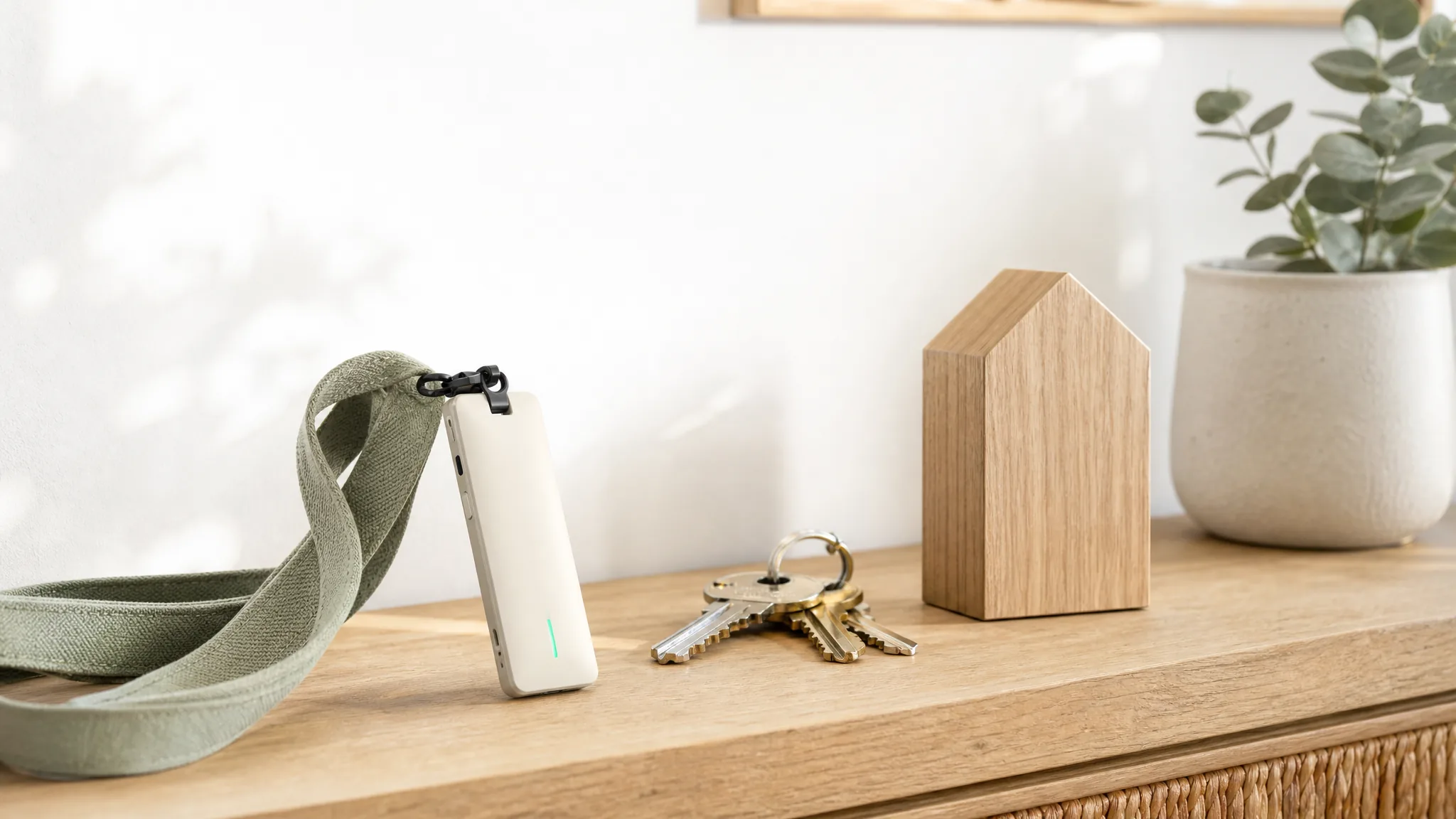 Illustrative — not the actual product
Why agents are buying these
Real estate is a conversation business — showings, listing appointments, inspections, negotiations, and a river of calls. The average agent spends hours a week turning those conversations into notes, CRM updates, and follow-ups; PLAUD now runs dedicated real-estate solution pages pitching exactly that trade, and broker community posts (ActiveRain, September 2026) show agents adopting at conferences [REVIEW]. An AI recorder’s job here is specific: capture budget, must-haves, timelines, objections, and next steps while the agent stays present with the client — then hand back structured notes instead of a raw transcript.
Two capture moments dominate: in-person walkthroughs (open floor plans, HVAC running, multiple voices) and phone calls (scheduling, negotiation, follow-up). A device that only does one leaves the other half of the business uncovered.
The picks, by job
| Device | Why it fits | Watch out |
|---|---|---|
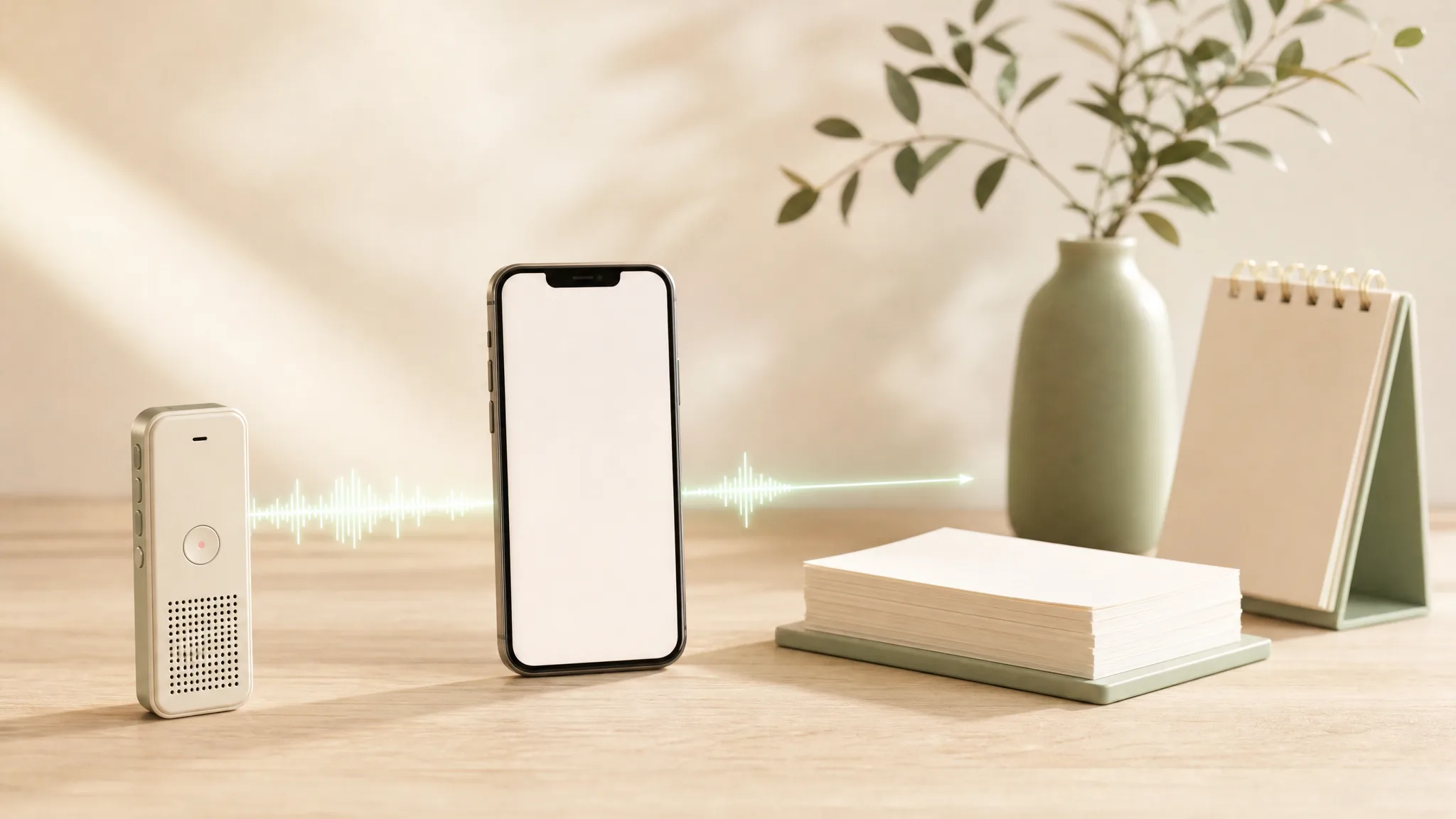
| PLAUD Note — the default | On-device recording for showings + MagSafe case captures calls; real-estate summary templates; speaker labels sort agent/buyer; instant phone summaries | Free tier is 300 min/mo; Pro $99.99/yr — see our plan table |
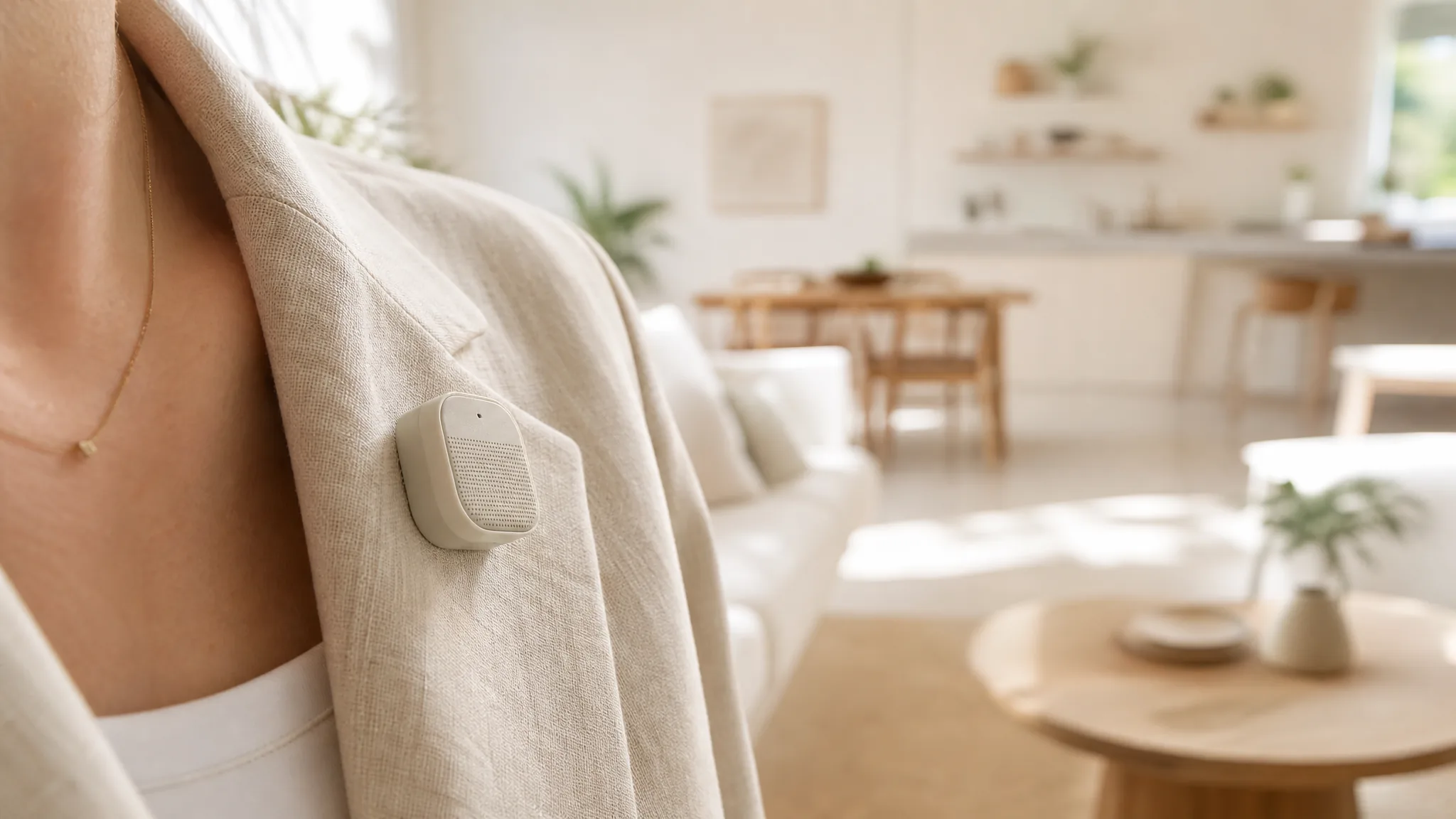
| PLAUD NotePin — the open-house pick | Wearable, hands-free through long open houses; 20-hr continuous rating; same templates and app | No phone-call case mode; wearable ergonomics over boardroom polish |
| TicNote — the team pick | 600 free min/mo hardware-bound — double PLAUD; cheapest Pro at $79/yr; vibration-mounted call capture | Younger ecosystem; accuracy claims are manufacturer specs |
| iFLYTEK SR302 Pro — the offline pick | Offline transcription; no cloud dependency for sensitive negotiations | Classic recorder form; fewer agent workflow templates |
 Illustrative — not the actual product
Consent is the first feature
Recording law is state-by-state — our consent-laws guide covers the all-party-consent states where recording a conversation without permission can be illegal, not just rude. Real estate adds layers: brokerage policy and MLS rules can restrict recording regardless of state law, and clients who notice an unannounced recorder can kill a deal on trust alone. The working rule agents use: disclose early (“I record my walkthroughs so I never lose your must-haves — is that okay?”), and get verbal assent on the recording itself. Vendor pages all recommend consent; treat that as the minimum, not the standard.
The workflow that actually saves time
A recorder only pays for itself if the output lands where the work happens:
- Buyer intake: record with consent, generate the summary, and the budget/must-haves/timeline fields write themselves into your CRM notes.
- Listing appointments: capture seller goals and objections verbatim; the summary becomes the pre-listing packet’s source of truth.
- Post-showing follow-up: “what did they love, what did they flag” comes straight from the transcript — personalized follow-ups in minutes, not memory.
- Inspections and walk-throughs: dozens of detail items become a structured list instead of scribbles.
Speaker separation is the load-bearing feature — it is what turns “a conversation happened” into “the buyer said X, I committed to Y.” Our speaker-identification explainer covers how well the category actually does it.
 Illustrative — not the actual product
What it costs
Hardware plus plan, over three years, from our TCO study: a $129–$159 PLAUD Note used within the free 300 minutes costs its hardware price total, forever — the free tier covers roughly 8–10 hour-long conversations a month. Heavy agents (2+ hours of conversation daily) will want Pro; that runs the Note to about $429 over three years, still trivial against a single commission. Run your own minutes through our minutes calculator before subscribing — most agents overestimate what they need.
The bottom line
For a solo agent buying one device today: the PLAUD Note with the phone case covers both capture moments and carries the most mature templates. For open-house marathons: NotePin. For teams: TicNote’s free minutes scale across more conversations. Whatever you pick, set the consent habit the day the device arrives — that habit, not the hardware, is what keeps recordings an asset instead of a liability.