AI Recorder Language Support: Claims vs Reality
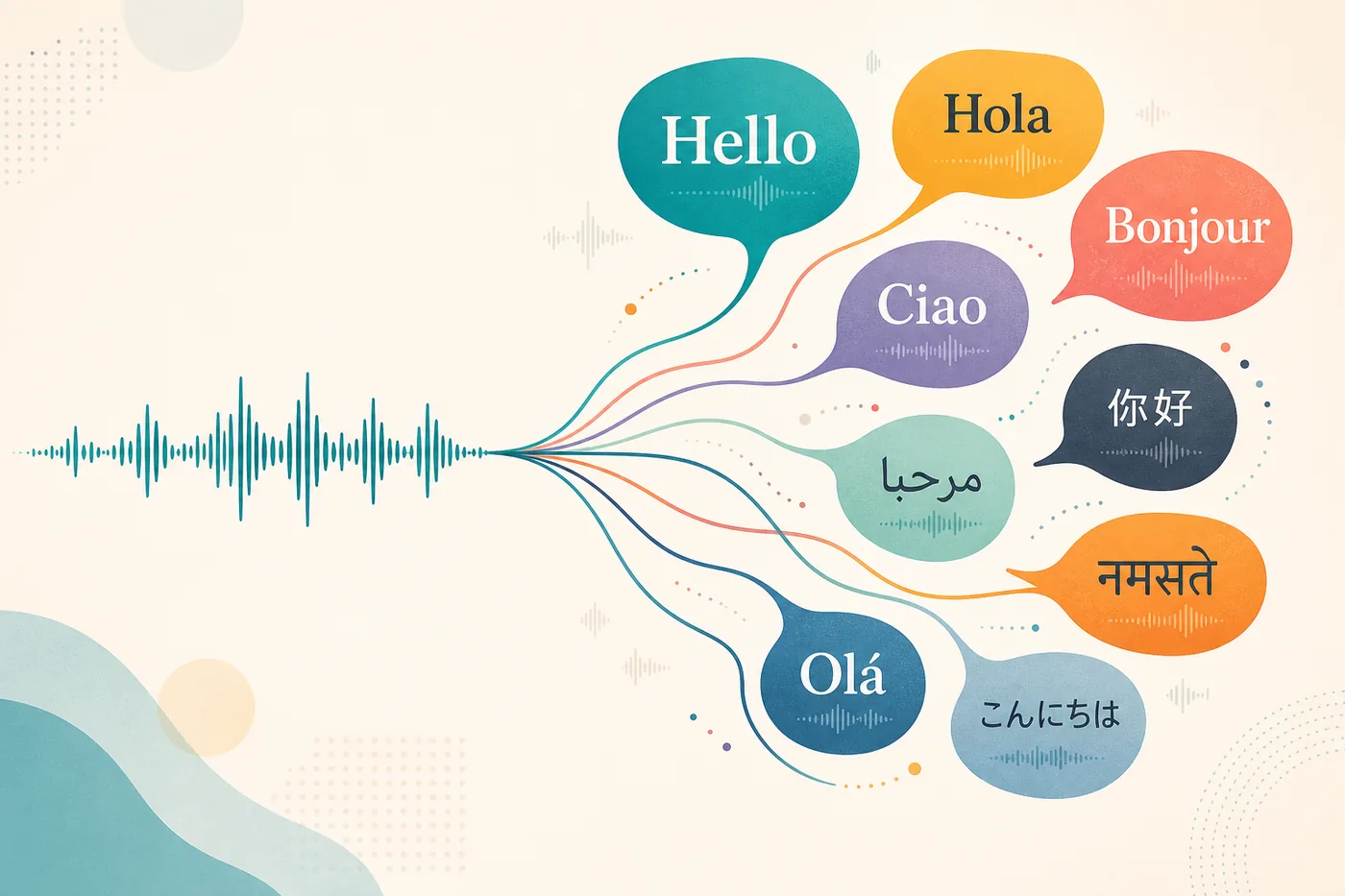
The short answer: the language-count arms race (soundcore 150+, TicNote 120+, PLAUD 112, HiDock 75+, NOTTA 58) matters less than the fine print — PLAUD transcribes one language per recording, HiDock's live translation is an English/Japanese/Chinese beta, and Pocket's own Amazon listing says 112 while its site says 120+. Match the fine print to how you actually speak, not the biggest number.
Intro
Intro: the language arms race
Walk the spec pages of today's AI voice recorders and you'll see a number game: 58 languages, 75+, 112, 120+, 150+. Every manufacturer wants the biggest count, because "supports 150+ languages" reads like a decisive feature in a one-line comparison.
But the count is the least informative thing on the spec sheet. We compared published specifications, owner reports, and plan structures to separate the marketing ceiling from the daily reality — and the fine print matters far more than the number.
Two facts frame everything below. First, language count is a transcription capability claim, not a recording capability: every device records in any language, because the microphone doesn't care. Second, supporting a language at the transcription stage and translating between languages are completely different features — and translation is where most of the fine print hides.
The count table
The count table: what each device claims
We compared the published language counts each manufacturer states. Treat every number as a claim made by the company, not an independently verified result — and note that counts can even disagree between a manufacturer's own pages.
| Device | Published language count | Source type |
|---|---|---|
| soundcore (Work) | 150+ languages | manufacturer claim |
| TicNote | 120+ languages | manufacturer claim |
| 120+ official, 112 on its own Amazon listing | — discrepancy between official page and listing | |
| PLAUD (Note series) | 112 languages | manufacturer claim |
| HiDock P1 | 75+ languages | manufacturer claim |
| NOTTA Memo | 58 languages | manufacturer claim |
The standout data point is Pocket: its own marketing materials say 120+ while its own Amazon listing says 112. When a manufacturer can't keep its own count consistent across two of its pages, it's a strong reminder that these figures are rounding for effect, not audited metrics.
These are all transcription ceilings. Whether any individual recording actually achieves its best result depends on accent, audio quality, and mixing — which we'll get to.
The fine-print matrix
The fine-print matrix: what matters more than the count
The number alone tells you almost nothing about how a device will behave in your meeting. This matrix captures the behavior that actually determines fit.
| Device | Real-time translation? | Single-language limit? | Auto language detection? | Beta / caveats |
|---|---|---|---|---|
| PLAUD (Note series) | No — transcribes one language per recording; no translation (summaries can output in 112) | Yes — one language per recording | No (Note series) | Translation not offered; summaries are the language output |
| PLAUD NotePin S | No translation | One language per recording | Yes — auto language detection added | Newer model; detection relies on clean audio |
| TicNote | Yes — claims real-time translation | No stated limit | Not clearly stated | claim; verify for accented speech |
| HiDock P1 | Live transcription/translation beta only | Not clearly stated | Not clearly stated | Optimized for English, Japanese, and Chinese only; other languages unverified |
| NOTTA Memo | Yes — real-time + bilingual translation | No stated limit | Not clearly stated | Bilingual translation is the notable differentiator |
Three patterns emerge.
Translation is the real differentiator, and it's uneven. Of the six, only TicNote and NOTTA Memo actually advertise translation as a working feature. HiDock's translation is still beta. PLAUD's entire family transcribes but does not translate — its 112-language figure applies to transcription and to summaries, not to live translation between languages.
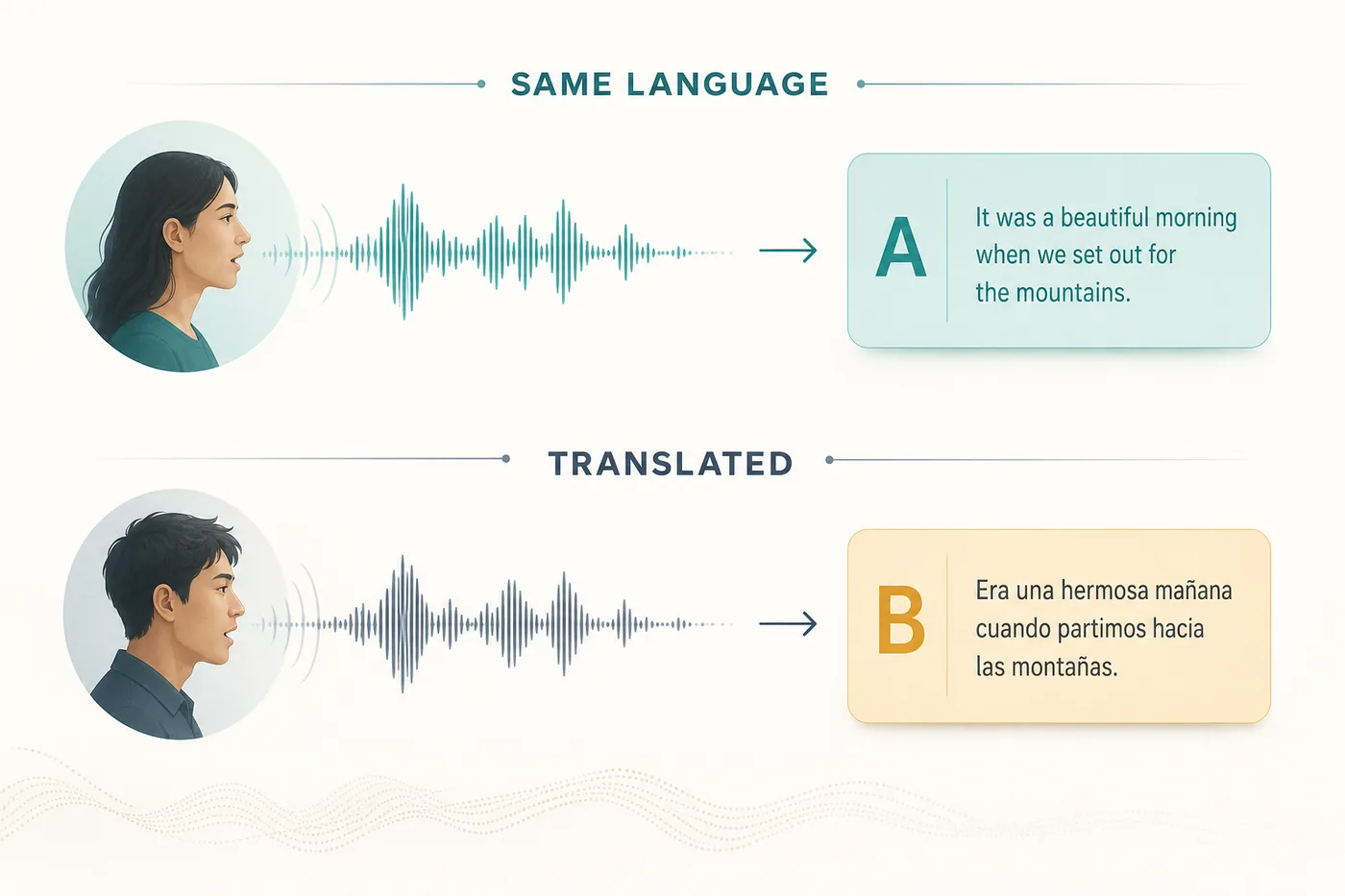
"One language per recording" is a silent limitation. PLAUD's devices will pick a single language and stick with it for that recording. If your meeting switches between English and Spanish, that's not a translation workflow — at best it's a transcription of whichever language dominates.
Counts are ceilings, not guarantees. Every one of these numbers is a marketing ceiling. Owner reports (we label these) consistently say that heavy accents and mixed-language recordings degrade results — the same recording that scores "excellent" in a quiet, single-accent, single-language room can fall apart with code-switching or a thick regional accent.
Guide
Who each device actually suits
The monolingual user. If you record in one language, in one accent, the count matters least. Almost every device covers the major world languages. Choose on transcription quality, battery, and cost rather than the raw number.
The bilingual-meetings user. Here translation capability is everything. This is where TicNote's real-time translation claim and NOTTA Memo's bilingual translation earn their keep — and where PLAUD's single-language limit and no-translation model disqualifies it for translation buyers. HiDock is only worth considering if your meetings are in English, Japanese, or Chinese, since its live translation is beta and optimized for exactly those three.
The translation buyer. If your goal is a translated summary or live translated output, do not buy on language count. Confirm the device actually translates — most of the "150-language" devices are transcription machines. PLAUD can output summaries in 112 languages but cannot translate a recording; TicNote and NOTTA Memo are the translation-capable options among the group.
<
Buying advice
Buying advice
- Read the fine print, not the count. Verify translation, single-language limits, and beta status before you compare numbers.
- Match the feature to the use case. Monolingual? Any device. Bilingual meetings? Translation capable (TicNote, NOTTA). Translation output? Exclude PLAUD and verify HiDock's beta for your languages.
- Treat 100+ counts with skepticism. Pocket's own 120 vs 112 discrepancy shows these numbers are marketing rounding.
- Assume degradation on hard audio. Accents and code-switching degrade results on every device we compared; plan for a human pass on critical quotes.
For the broader picture, see our transcription accuracy analysis and our subscriptions guide for what your free tier actually meters.
---
FAQ